Security Cameras for Renters
A lease can prohibit drilling holes and installing permanent fixtures even where the law otherwise allows a tenant to run a camera, and a landlord generally may not place a camera inside a tenant's private dwelling unit. Favor non-destructive mounting and local storage, and read your specific lease before you drill anything.
Renting adds a second layer of rules on top of general camera law: the lease itself. A lease is a private contract, and it can restrict what a tenant is allowed to physically do to a unit, including drilling holes, running cable through walls, or installing anything considered a permanent fixture, even in situations where general privacy law would otherwise have no objection to the camera itself.
The reverse direction matters too. A landlord generally does not have the right to place a camera inside a tenant's private living space, and a camera aimed into a rented unit from a common area is a different and more serious problem than a tenant's own camera at their own door.
| Choice | Lease risk |
|---|---|
| Adhesive or clip mount on existing trim | Low, no structural change |
| Battery-powered camera, no cable run | Low, nothing to patch at move-out |
| Drilled bracket into siding or brick | High, check the alterations clause first |
| Cable run through an exterior wall | High, usually needs landlord approval |
What does a lease typically restrict?
Most residential leases include language about alterations to the unit, and drilling into siding, brick, stucco, or trim to mount a camera bracket can fall under that restriction even when the camera itself would otherwise be perfectly legal to own and use. Running cable through an exterior wall or a shared hallway ceiling raises the same issue. Read the specific alterations clause in your own lease rather than assuming a camera is automatically exempt from it.
What mounting options avoid that problem?
Non-destructive mounting, using adhesive mounts, existing hardware such as a door frame or an existing light fixture, tension-mounted poles, or a freestanding stand, lets a tenant install a camera without touching the structure of the unit at all. Wireless, battery-powered cameras remove the need to run cable, which is usually the more disruptive part of a wired installation for a rented property.
- Adhesive or clip mounts on existing trim and door frames
- Battery-powered cameras that avoid running cable through walls
- Freestanding or window-sill placements that require no drilling at all
What if the lease is silent on cameras entirely?
A lease that does not mention cameras specifically usually still governs the physical installation through its general alterations clause, so silence on cameras is not the same as permission to drill. It is worth asking the landlord directly for anything beyond a fully non-destructive mount, since a short conversation is cheaper than a dispute over a security deposit.
Can a landlord install cameras inside my rented unit?
No, a landlord generally cannot place a camera inside a tenant's private dwelling unit, since a tenant has a reasonable expectation of privacy in the space they are renting once they have taken possession of it. A camera in a shared entrance, a shared laundry room, or a building lobby is a different situation and typically within a landlord's rights to install and disclose, subject to the same bedroom, bathroom, and changing-area limits that apply everywhere else.
Does moving out complicate a wired installation?
Yes, and it is worth planning for from the start. Any drilled mount, run cable, or permanently affixed hardware may need to be removed and the surface repaired before move-out to avoid a deduction from a security deposit, which is another reason non-destructive mounting is usually the lower-friction choice for a rented property specifically, separate from whatever the lease technically allows.
What about local storage as a renter?
A tenant who will eventually move is also moving the camera system with them, which favors self-contained, portable local storage, whether that is a camera with its own memory card or a small local NVR that packs up along with everything else, over a permanently wired system tied to the specific unit.
A cloud subscription still works fine for a renter, but it is worth weighing against a battery camera with local memory card storage, since the latter has no recurring fee to cancel and reactivate every time you move between rentals.
Does a doorbell camera raise any different questions for a renter?
A video doorbell often replaces the unit's existing doorbell wiring, which touches the same alterations question as any other installation, and swapping a hardwired doorbell for a smart one can also involve low-voltage wiring that a lease may treat as a fixture change. A battery-powered doorbell camera that mounts over or beside the existing doorbell without rewiring avoids that question entirely and is usually the simpler renter-friendly choice.
The gear that matches this answer

eufy Security SoloCam S340, 3K Dual-Lens Solar Security Camera
$159.99Solar charged with local storage on the camera, so it needs neither a cable nor a subscription, which is the only wireless configuration this site recommends without reservation.
- Power
- Solar and battery
- Storage
- On camera
Prices change often.

Blink Outdoor 4 Wireless Smart Security Camera, 1080p
$129.99The cheapest name brand wireless camera, and an honest demonstration of the trade: 1080p puts roughly a third of the pixels on the scene that a 4K PoE camera does.
- Resolution
- 2 MP
- Power
- Battery
Check first:Full functionality expects a subscription, and 1080p will not reach DORI identify distance at any useful range.
Check price on AmazonPrices change often.

Ring Outdoor Cam, Stick Up Cam, Weather-Resistant HD Security Camera
$79.99Widely supported and simple to place, and the clearest example on this site of a camera where a third party holds the recordings of your home by default.
- Power
- Battery
Check first:Recording history requires a subscription, and footage is held by the vendor rather than by you.
Check price on AmazonPrices change often.
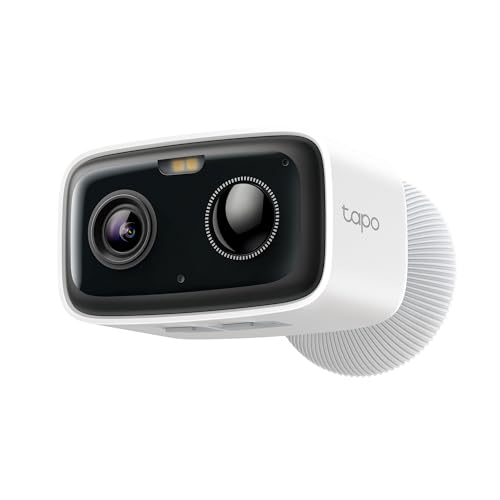
Tapo 1080p Outdoor Wireless Security Camera, Up to 180-Day Battery, C400
$44.99A very long battery life and local microSD storage, so it can run without a subscription.
- Resolution
- 2 MP
- Power
- Battery
- Storage
- microSD
Prices change often.
Common questions
Can my landlord stop me from having any security camera at my rented unit?
A lease can restrict how a camera is physically installed, such as prohibiting drilling or permanent fixtures, but that is different from banning a camera outright. Non-destructive options like adhesive mounts and battery-powered cameras typically sidestep the alterations clause that most leases use to limit drilling and permanent changes. Read your specific lease's alterations language to know where the line actually sits.
Is it legal for my landlord to put a camera inside my apartment?
Generally no. A tenant has a reasonable expectation of privacy inside the unit they are renting, and a landlord placing a camera there without the tenant's knowledge and consent is a serious problem. A camera in a shared hallway, lobby, or laundry room is a different situation and is typically within a landlord's rights, subject to the same bedroom and bathroom limits that apply everywhere.
What is the safest way for a renter to mount a camera without risking a deposit?
Adhesive mounts, clips onto existing door or window trim, freestanding stands, and battery-powered cameras that need no cable run are all non-destructive choices that leave nothing to patch when you move out. Drilling into siding, brick, or stucco, or running cable through a wall, is the kind of change most likely to need reversal and repair before you leave.
Should I ask my landlord before installing a security camera at all?
For a fully non-destructive installation it is often not strictly necessary, but asking is still a good idea, especially if the lease is silent on cameras or if the installation involves anything more than an adhesive mount. A short conversation up front is cheaper than a dispute over the security deposit later.
Does a rented camera setup make more sense with local or cloud storage?
Local storage on the camera itself, such as a memory card, or a small portable NVR tends to fit a rental situation well, since a tenant who moves takes the entire system, including its recorded history, with them. Either local or cloud storage works from a legal standpoint; this is more a practical fit for a household that expects to relocate.
Get the system planning sheet
The camera count, storage and PoE budget worksheet, plus the wiring checklist, as one printable page.
Keep going
Before you point a camera at anything. Aim cameras at your own property and your own boundary, never into a neighbour's windows or across their garden. Cameras in bedrooms, bathrooms, or anywhere else a person reasonably expects privacy are a serious legal problem, and that includes guests, lodgers and anyone who works in your home. Audio is legally different from video, many US states require the consent of every party to a recorded conversation, and several recorders capture audio by default, so check your own state before you enable it. Some places require visible notice that recording is taking place, and landlords and homeowner associations often impose their own rules on top. This is researched general information and not legal advice, and the law varies by state and by country.
And once it is installed. Change every default password, keep the firmware updated, and be clear with yourself about where the footage goes: a cloud camera means a third party holds recordings of your home, while a local recorder keeps them in your house. That is a genuine buying consideration, not a technicality.
This is researched general information about how leases and camera installation typically interact, not legal advice, and lease terms and local landlord-tenant law vary. Read your own lease before drilling anything.