Cloud Subscription vs Local NVR Cost Calculator
A cheap wifi camera with a per-camera monthly plan routinely outspends a PoE system with a local recorder inside three years. Six cameras at 3 dollars each per month is 1,080 dollars over five years, before any hardware.
Values update as you change the inputs. Where a figure cannot be computed honestly from what manufacturers publish, this calculator says so rather than showing a zero.
Local systems with no subscription
Chosen for this calculation.

REOLINK 8CH 4K Security Camera System with 2TB HDD RLK8-800B6
$755.99Six 4K bullet cameras on an eight channel PoE recorder with a 2TB drive already fitted, which is the configuration most three bedroom homes land on after doing the entry point count.
- Channels
- 8
- Cameras included
- 6
- Resolution
- 8 MP
- Drive included
- 2 TB
Prices change often.
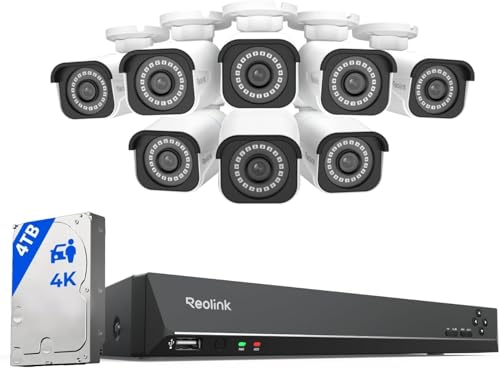
REOLINK 16CH 4K Security Bullet Camera System with 4TB HDD RLK16-800B8
$1,259.99Sixteen channels with eight 4K bullets and a 4TB drive, so there are eight spare channels for later without replacing the recorder.
- Channels
- 16
- Cameras included
- 8
- Resolution
- 8 MP
- Drive included
- 4 TB
Prices change often.

REOLINK 16CH 4K Security Dome Camera System with 4TB HDD RLK16-800D8
$1,259.99The dome bodied version of the same sixteen channel system, which is harder to knock out of alignment and reads as less aggressive on a residential street.
- Channels
- 16
- Cameras included
- 8
- Resolution
- 8 MP
- Drive included
- 4 TB
Prices change often.
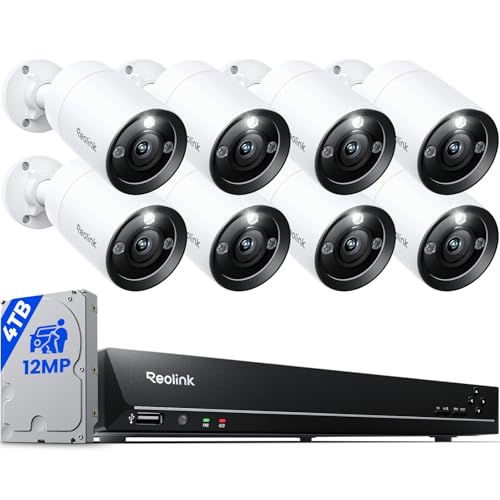
REOLINK 16CH 12MP Security Bullet Camera System with 4TB HDD RLK16-1200B8-A
$1,499.99Twelve megapixel sensors put roughly 4,512 horizontal pixels across the scene instead of 3,840, which is the difference between recognising and identifying someone at the end of a long drive.
- Channels
- 16
- Cameras included
- 8
- Resolution
- 12 MP
- Drive included
- 4 TB
Prices change often.

REOLINK 8CH 5MP PoE Security Camera System with 2TB HDD RLK8-410B4-5MP
$459.98Four 5MP cameras and a drive on an eight channel recorder, which covers the four sides of a typical house and leaves four channels free for the cameras you discover you need.
- Channels
- 8
- Cameras included
- 4
- Resolution
- 5 MP
- Drive included
- 2 TB
Prices change often.

REOLINK 8CH 5MP Super HD Home Security Camera System RLK8-410B6-5MP
$659.99Six 5MP cameras rather than four, for a house with more exterior doors than walls, at a lower price per camera than the 4K line.
- Channels
- 8
- Cameras included
- 6
- Resolution
- 5 MP
- Storage
- Local NVR
Prices change often.

ANNKE 8CH 4K PoE Security Camera System, Smart Dual Light, 2TB HDD
$499.99Dual light means the camera holds colour at night using a white light lamp instead of falling back to infrared monochrome, which matters because clothing colour is often the only usable detail.
- Channels
- 8
- Resolution
- 8 MP
- Drive included
- 2 TB
- Storage
- Local NVR
Prices change often.

ANNKE 16 Channel Security Camera System 4K PoE, Smart Dual Light, 4TB HDD
$849.99Sixteen channels of 4K with a 4TB drive, priced below the equivalent sixteen channel systems from the larger brands.
- Channels
- 16
- Resolution
- 8 MP
- Drive included
- 4 TB
- Storage
- Local NVR
Prices change often.

ANNKE 8CH 5MP PoE Security Camera System, 2TB HDD, Red and Blue Light Alarm
$319.99The cheapest route in this catalog to a real local recorder with a drive, rather than to cameras that depend on a subscription to keep anything.
- Channels
- 8
- Resolution
- 5 MP
- Drive included
- 2 TB
- Storage
- Local NVR
Prices change often.

Lorex V-Series 8Ch 4K NVR System with 4 Bullet Cameras
$879.99Lorex runs its own app and does local processing on the recorder, and publishes a clear position on where footage is held, which is the question worth asking before a camera watches a front door.
- Channels
- 8
- Cameras included
- 4
- Resolution
- 8 MP
- Storage
- Local NVR
Prices change often.

Lorex U-Series 8Ch 4K NVR System with 5 Bullet Cameras
$799.99Five cameras on an eight channel recorder, which is the awkward and very common house: four walls plus a detached garage.
- Channels
- 8
- Cameras included
- 5
- Resolution
- 8 MP
- Storage
- Local NVR
Prices change often.
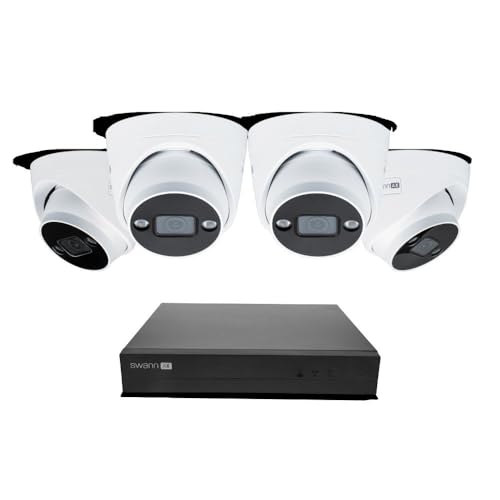
Swann AdvancedX Wired NVR 4K Security Camera System, 8 Channels, 4 PoE Dome Cameras
$487.59Four 4K domes and an eight channel recorder, and Swann publishes full local access so the system keeps working if the company ever stops running an app.
- Channels
- 8
- Cameras included
- 4
- Resolution
- 8 MP
- Storage
- Local NVR
Prices change often.

Swann AdvancedX Wired NVR 4K Security Camera System, 8 Channels, 8 PoE Cameras
$749.99All eight channels populated at once, which is the cheapest cost per camera in this catalog for a fully loaded eight channel recorder.
- Channels
- 8
- Cameras included
- 8
- Resolution
- 8 MP
- Storage
- Local NVR
Prices change often.
The formula
cloud total = cameras x monthly fee x 12 x years, against the one-off local hardware cost
The comparison that matters on a high-ticket purchase, and the one nobody selling a cheap camera brings up. A local recorder also keeps footage in your house rather than on somebody else server.
Common questions
Is a cloud camera subscription cheaper than buying a local recorder?
Often not over time. Six cameras at 3 dollars a month each cost 1,080 dollars over five years in subscription fees alone, before any camera hardware, while a comparable local recorder system might cost around 760 dollars once, with no ongoing fee at all. The cloud subscription usually overtakes that one time local hardware cost within three to four years.
How is the break even point between cloud and local storage calculated?
Break even in months equals the one time local hardware cost divided by the total monthly cloud fee across all cameras. At 760 dollars of local hardware against 18 dollars a month combined for six cameras at 3 dollars each, break even lands around 42 months, a little over three and a half years, after which the subscription costs more overall.
Does a local recorder have any ongoing costs at all?
Not usually a subscription fee, but a local system still has real costs over time: the storage drive eventually wears out and needs replacing, and electricity for a recorder and switch running continuously adds a small amount to a power bill. Neither of those typically comes close to matching an ongoing per camera cloud subscription fee across several years.
What is the real advantage of local recording besides cost?
Footage stays inside the house on a drive that is actually owned, rather than on a company server being paid for access, and it keeps recording even if the internet connection goes down, which a cloud only camera cannot do at all. Cost is the calculator main focus, but control over where footage physically lives is the other real reason owners choose local recording.
Why do cheap wifi cameras end up costing more than a PoE system?
A cheap wifi camera is often sold near cost, with the real revenue coming from its required monthly cloud plan, so the ongoing per camera fee adds up steadily over years. A PoE system with a local recorder costs more upfront but carries no per camera monthly fee, and it routinely becomes the cheaper option within three years of ownership.
Get the system planning sheet
The camera count, storage and PoE budget worksheet, plus the wiring checklist, as one printable page.
Keep going
A calculated figure is a planning number, not a promise. Every answer here comes from published standards and manufacturer specifications, and real installations vary with light, weather, scene motion and how a camera is actually aimed. Where a figure cannot be computed honestly from what manufacturers publish, this calculator says so rather than showing a zero.
Before you point a camera at anything. Aim at your own property and your own boundary, never into a neighbour's windows. Cameras in bedrooms, bathrooms or anywhere with a reasonable expectation of privacy are a serious legal problem, including for guests and anyone who works in your home. Audio is legally different from video, many US states require the consent of every party to a recorded conversation, and several recorders capture audio by default, so check your own state before enabling it. This is researched general information and not legal advice.